Motorcycle Group Ride Hand Signals (and the One Leg Signal Every Rider Should Know)
At highway speed, in a pack of 2 to 200+ riders, nobody can hear a shout over wind and exhaust noise. Hand signals are still the fastest way to move information down a moving line of motorcycles — faster than a phone call, faster than a text, and they work even when a rider three bikes back is well out of shouting range. Wolfes Club is built India-first, launching in Hyderabad, where dense traffic and long pack rides make this kind of instant, wordless communication non-negotiable.
This guide covers the full set of signals a pack rider needs — direction, speed, hazards, formation, pack coordination, rest stops, and the one genuine leg signal in the whole system.
Why Hand Signals Still Matter Alongside an App
A live tracking map answers “where is everyone right now.” Wolfes Club keeps every rider visible on one shared map, with automatic stop detection and drop-back alerts so the Leader and Sweeper always know if the pack is spreading out. But a map can’t tell the rider three bikes back to slow down for a pothole two seconds ahead. That’s still a hand — or, in one specific case, a foot — doing the talking. Signals and live tracking solve two different problems: immediate, in-the-moment maneuvering versus overall pack awareness. A well-run pack uses both.
The Signal Cascade Rule
Every signal starts with the Leader and moves backward through the pack, rider by rider, until it reaches the Sweeper. If the Leader signals a turn and only the first three riders react, everyone behind them is caught off guard.
The rule: when you see a signal from the rider ahead of you, repeat it immediately for the rider behind you. Don’t wait to judge whether it’s necessary — repeat first, think later. In a pack strung out over half a kilometer, this cascade is often the only thing standing between an organized turn and a scattered one.
Turn & Direction Signals
Nearly every signal in this guide is given with the left arm, since it’s the arm closest to traffic and the easiest for the rider behind you to see. The right hand stays on the throttle and front brake.
Left Turn
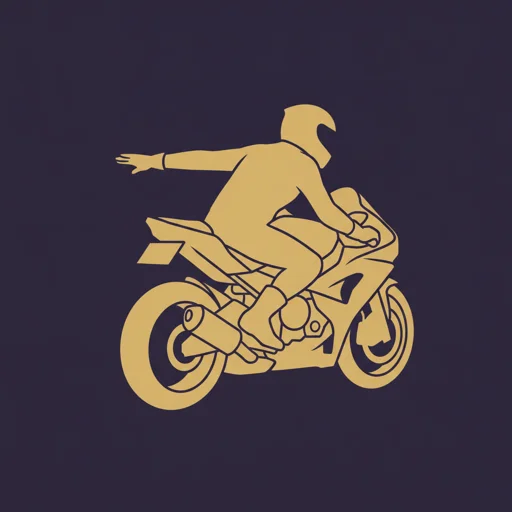 **How:** Left arm and hand extend straight out to the left, palm facing down.
Right Turn
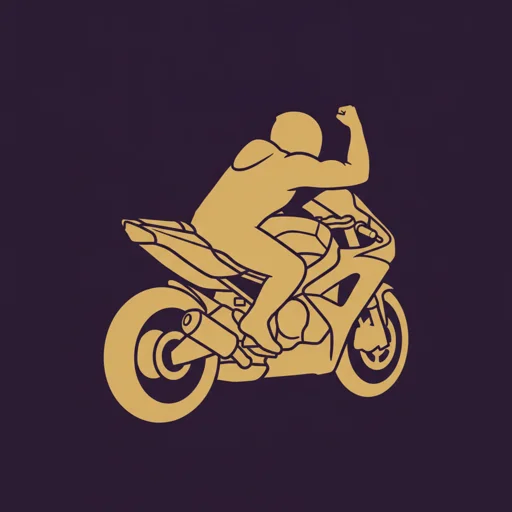 **How:** Left arm bent 90° upward at the elbow, fist clenched.
Speed Signals
Speed Up
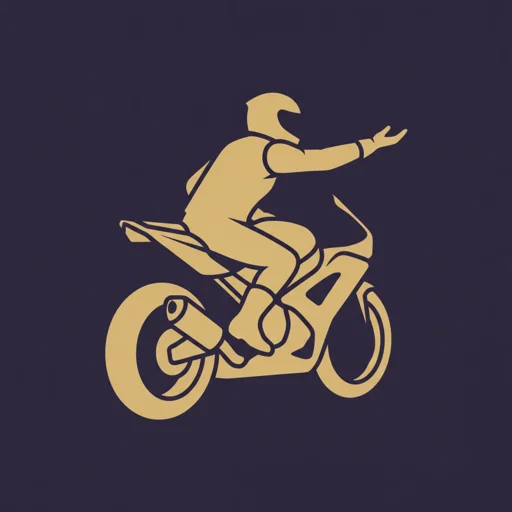 **How:** Left arm extended straight out, palm facing up, swinging upward.
Slow Down
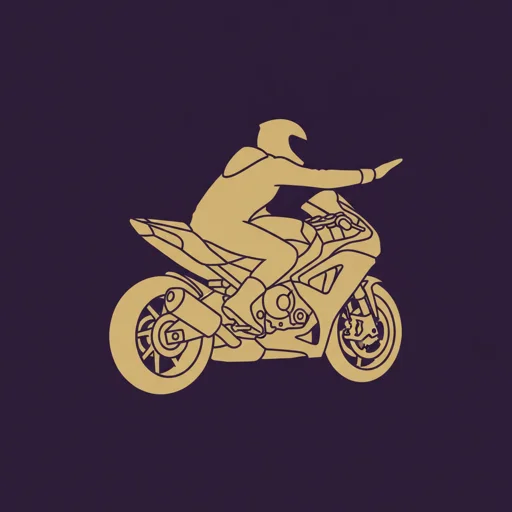 **How:** Left arm extended straight out, palm facing down, swinging down toward your side.
Stop
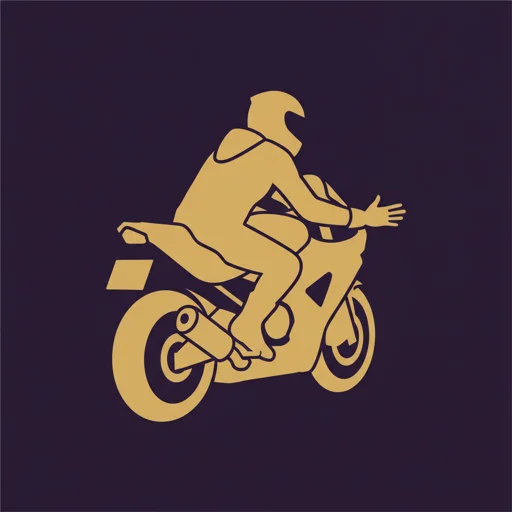 **How:** Left arm extended straight down, palm facing back.
Hazard Signals — Hand and Foot
This is where most hand signal guides stop short, because pointing out a hazard isn’t always a hand signal. If the hazard is on the left side of the road, the left hand points straight at it — simple, since the left arm is already the signaling arm. But if the hazard is on the right side, reaching the left arm across the body to point right is awkward and briefly takes a rider’s hand off the bars at the worst possible moment.
The fix riders actually use: point with the right foot instead.
Hazard on the Left
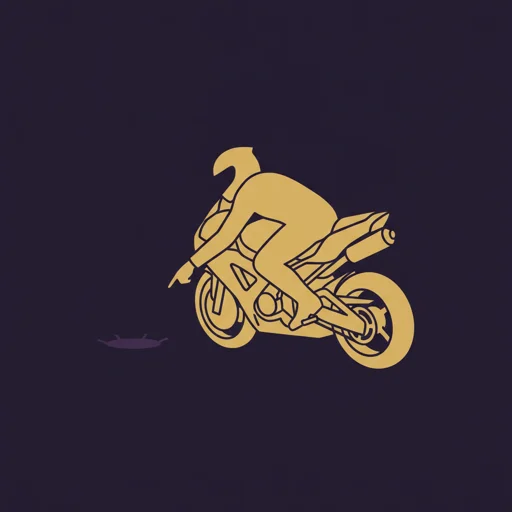 **How:** Point at the hazard with your left hand.
Hazard on the Right
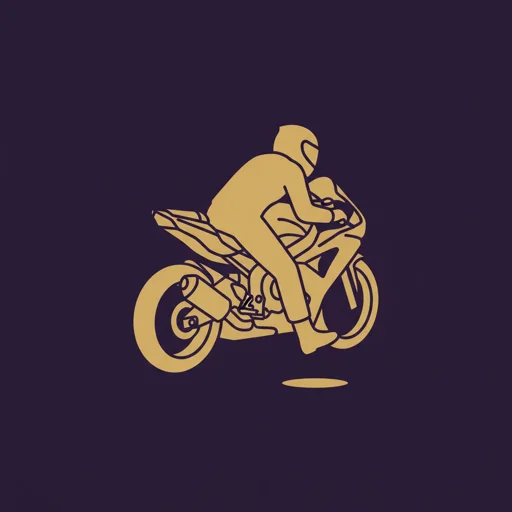 **How:** Right foot off the peg, extended down and out, pointing at the hazard.
This foot-point is the one genuine leg signal in the entire system — worth knowing on its own, but it isn’t the start of some larger leg-signal vocabulary. Every other “leg signal” a rider might hear about (a leg stuck out in a corner, a foot tapping a kickstand) is really posture or a personal habit, not pack communication. If a signal matters enough for the whole pack to react to, it travels through the cascade rule above — hand, or in this one case, foot.
Formation Signals
Single File
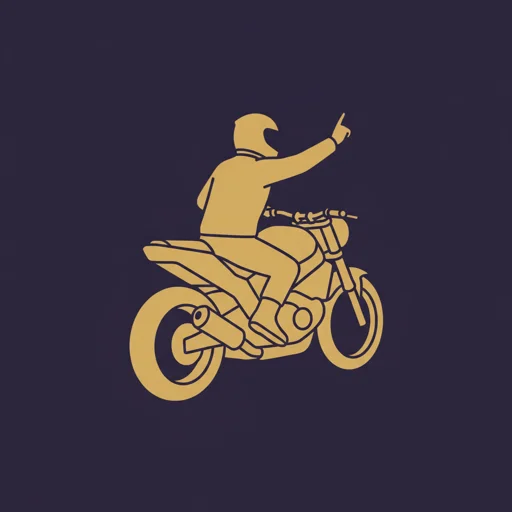 **How:** Left arm and index finger extended straight up.
Double File
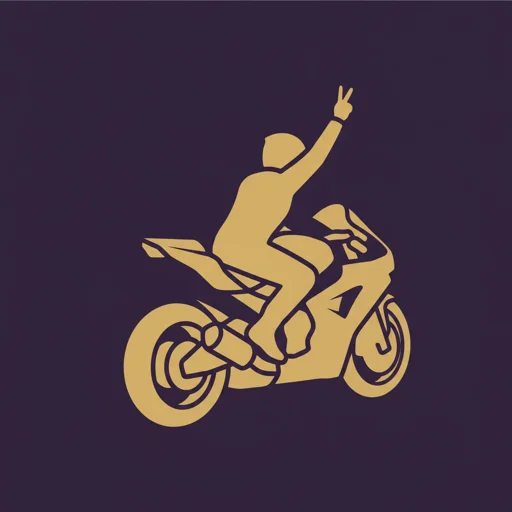 **How:** Left arm extended straight up with index and middle finger extended.
The Leader gives these before curves, narrow roads, poor visibility, or construction zones — anywhere the current formation stops being safe. They cascade through the pack the same as every other signal.
Pack Coordination Signals
Follow Me
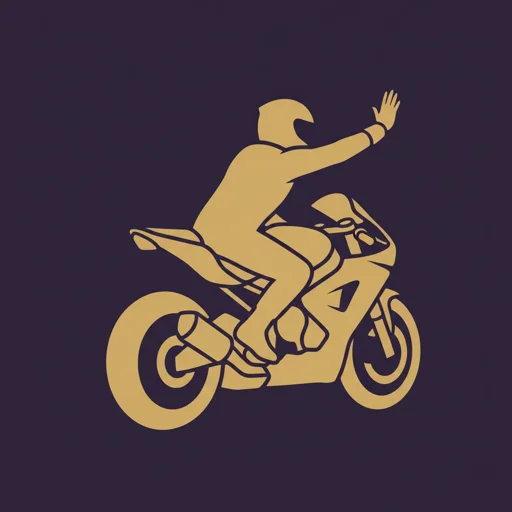 **How:** Left arm extended straight up from the shoulder, palm forward.
You Lead
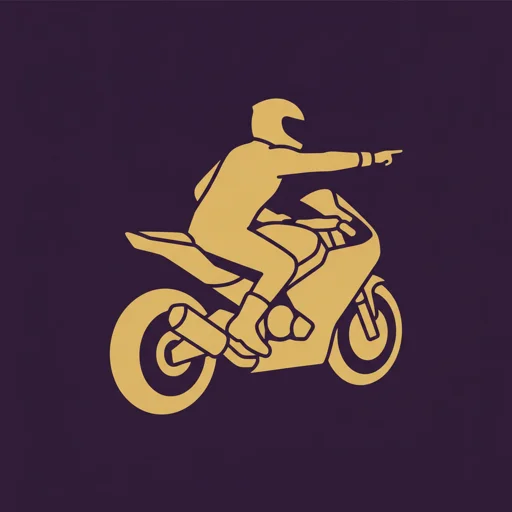 **How:** Left arm extended upward at 45°, palm forward, index finger pointing, arcing from back to front.
Pull Off
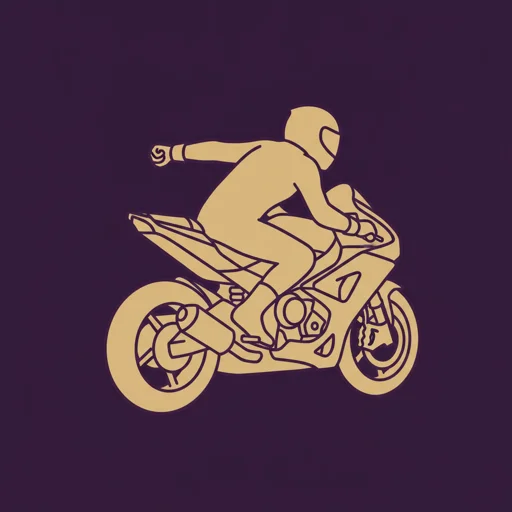 **How:** Left arm positioned as for a right turn, forearm swung back toward the shoulder.
Rest & Fuel Signals
Comfort Stop
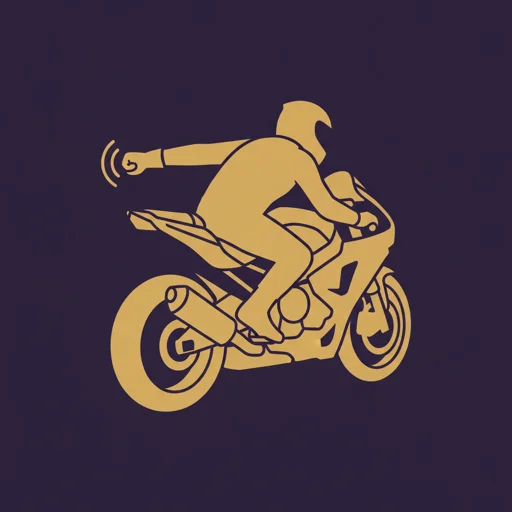 **How:** Left forearm extended, fist clenched, short up-and-down motion.
Refreshment Stop
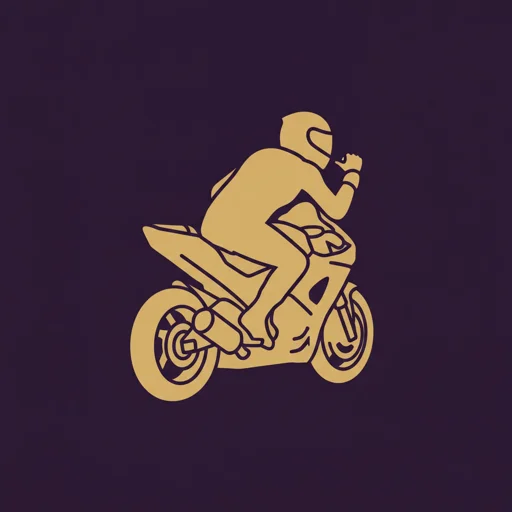 **How:** Left hand, fingers closed, thumb gesturing toward the mouth.
Fuel
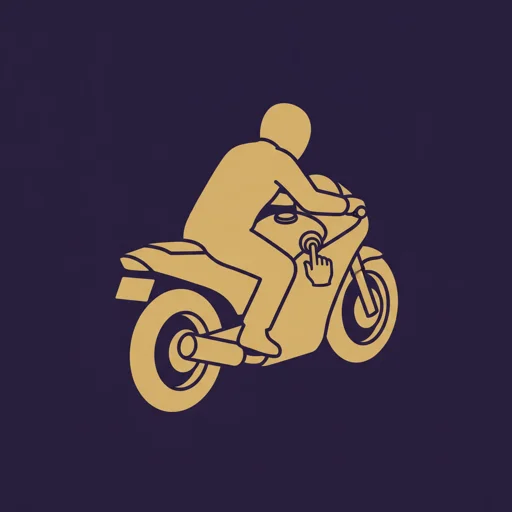 **How:** Left arm extended out to the side, finger pointing at the tank.
Alert Signals
Turn Signal On (Reminder)
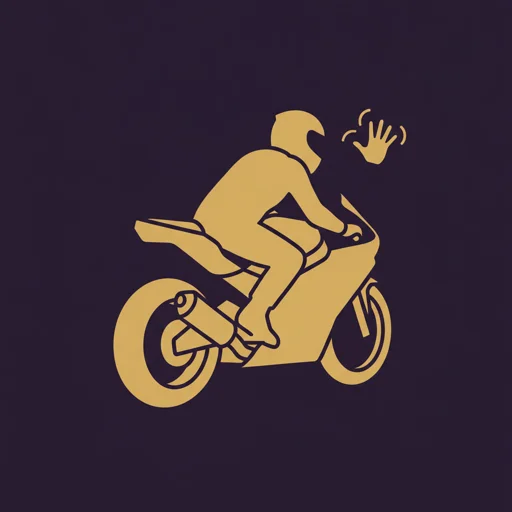 **How:** Open and close your left hand repeatedly, fingers and thumb extended.
Cops Ahead
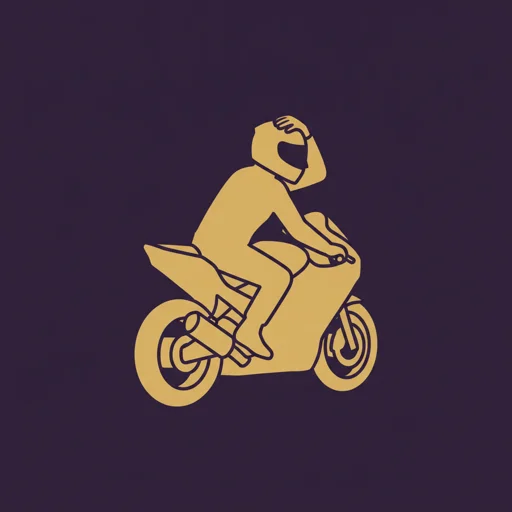 **How:** Flat left palm, tapping the top of your helmet.
Both of these are quick reminders rather than maneuver instructions — one rider flags something for the group (a hazard ahead, an indicator left on) without the whole pack needing to change speed or position.
Practicing as a Pack
Signals are only useful if every rider in the pack recognizes them instantly, under a helmet, at speed, without stopping to think. That means practice, not a one-time briefing:
- Run through every signal at a standstill before a new pack’s first group ride.
- Practice the cascade specifically — have the Leader signal and time how long it takes to reach the Sweeper.
- Repeat until slow down and stop are automatic. Those two matter more than any other signal on the list.
For the fuller formation and pace-matching fundamentals these signals plug into, see our pack riding formation guide.
Signals Handle the Moment, Wolfes Club Handles the Ride
Hand and foot signals get information down the line in seconds. Wolfes Club handles everything else — every rider visible on one live map, automatic stop detection, drop-back alerts, and one-tap SOS that reaches the entire pack instantly. Get 6 months free and give your pack both.